
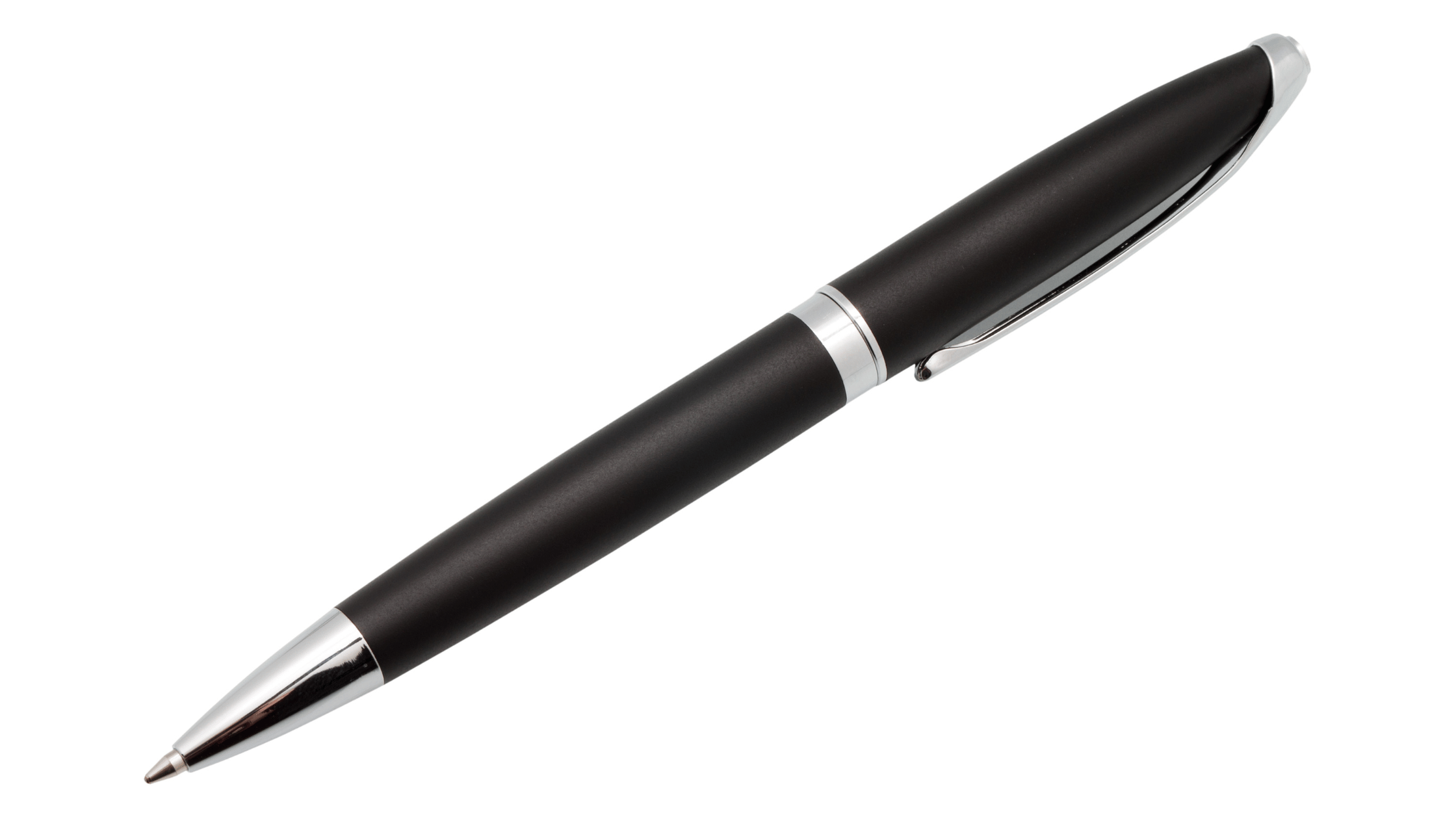
In today’s fast-paced, digital-first world, where much of our communication happens on screens, the humble pen might seem like a forgotten tool. But for professionals, creatives, and anyone who values thoughtful expression, a pen is more than just a writing instrument—it’s a symbol of personal style, intent, and purpose.
When it comes to choosing pens, we often overlook their importance, defaulting to bulk packs of cheap ballpoints that clutter our desks. But just like a fine watch or a well-tailored suit, a premium pen is an investment. It delivers not only in function but also in form, presence, and emotion.
In this article, we’ll explore why choosing quality over quantity when it comes to pens is a decision that elevates your writing experience, professional image, and personal satisfaction.
A Pen Is More Than a Tool—It’s an Extension of You
Whether you’re signing a contract, writing in a journal, or sketching a design, the pen in your hand reflects something deeper than utility. It’s a physical connection between your thoughts and the page. And like any tool you use regularly, the feel, balance, ink flow, and design of a pen significantly affect your experience.
Quality Pens Offer:
- Consistent ink flow and precision
- Ergonomic comfort for long writing sessions
- Durable materials that withstand daily use
- Designs that make a personal or professional statement
Using a high-quality pen changes how you write—and even how you feel while writing. It invites mindfulness and intention, especially in moments that matter, like signing a legal document or writing a heartfelt letter.
The Hidden Costs of Cheap Pens
It’s tempting to buy a dozen pens for the price of one premium model. But bulk buying often comes with hidden costs—both in terms of money and frustration.
1. Inconsistent Performance
Low-cost pens often suffer from ink skipping, smudging, or sudden dry-outs. You might go through three or four just to find one that writes smoothly.
2. Disposable Culture
Cheaper pens are typically made of low-grade plastic and aren’t built to last. They contribute to waste, clutter, and landfill—unlike high-end pens that use refillable cartridges and long-lasting parts.
3. Poor Ergonomics
Cheaper pens usually lack the grip, weight balance, and smooth finish that prevent hand strain during long writing sessions. For professionals, students, or writers, this can affect productivity and comfort.
In contrast, investing in one reliable, refillable pen not only reduces clutter but provides long-term satisfaction and environmental responsibility.
The Premium Pen Experience: What Sets It Apart
A quality pen isn’t just about price—it’s about the thoughtful craftsmanship behind it. Premium pen makers, from brands like Montblanc and Parker to LAMY and Pilot, understand the nuances of writing. Their pens are engineered for comfort, balance, and flow—turning the act of writing into a pleasure, not a chore.
Key Features of a Quality Pen:
- Precision-engineered nibs or tips for smooth, even strokes
- Premium ink with fast-drying, smudge-resistant formulas
- High-grade materials such as brass, stainless steel, or lacquered resin
- Refillable systems, reducing waste and long-term cost
- Satisfying weight and grip, designed to fit naturally in your hand
- Aesthetic design, often making them collectible or gift-worthy
Some pens even come with customization options—engraved initials, choice of nib width, or bespoke colors—allowing you to express your personality through your pen.
When Quality Matters Most: Use Cases for Premium Pens
While any pen might work in a pinch, there are certain moments and professions where the quality of your pen matters—a lot.
1. Professional Signatures
Business contracts, legal forms, job offer letters—these aren’t just documents. They’re milestones. Signing them with a high-quality pen adds gravitas and personal presence. Many executives and professionals keep a designated pen solely for formal signatures.
2. Creative Writing & Journaling
Writers, poets, and diary keepers often talk about the emotional connection they have with their tools. A quality pen offers uninterrupted flow and tactile satisfaction, allowing creativity to flourish without frustration.
3. Art and Illustration
Fine-liner pens, brush pens, and fountain pens are preferred by artists for their line control, ink quality, and expressive potential. Inferior pens can limit technique and clarity.
4. Gift Giving and Legacy
Pens make timeless gifts for graduates, executives, or newlyweds. A well-crafted pen can be engraved with a name or date and passed down across generations—something a disposable plastic pen could never offer.
Quality Over Quantity: A Mindset Shift
Choosing a premium pen isn’t just a practical decision—it’s a mindset. In an age of fast fashion and throwaway goods, selecting a pen that is refillable, repairable, and lasting is a quiet act of resistance. It says you value:
- Craft over convenience
- Focus over distraction
- Meaning over mass-production
Owning fewer, better items—starting with your writing instrument—can inspire similar choices in other areas of life.
How to Choose the Right Quality Pen
Not all premium pens are alike. Here’s how to find one that suits your needs:
1. Determine the Writing Style
- Ballpoint: Everyday reliability and long-lasting ink
- Rollerball: Smoother writing with deeper ink saturation
- Fountain pen: Elegant, customizable, ideal for enthusiasts
- Gel pen: Bright ink, smooth flow, ideal for journaling or note-taking
2. Consider Grip and Weight
Try different pens in-store if possible. A well-balanced pen should feel comfortable during long writing sessions without causing hand fatigue.
3. Look for Refillable Models
Opt for pens that allow you to change cartridges or refill ink. This is better for the environment and your wallet in the long run.
4. Set a Budget
Premium doesn’t have to mean expensive. Many excellent pens are available in the $20–$100 range. For collectors or those looking for luxury, designer models can go far beyond that.
Conclusion: Invest in the Writing Experience You Deserve
In a world that moves faster each day, taking time to write with intention is a powerful thing. And doing so with a quality pen not only enhances the experience—it transforms it.
From the feel in your hand to the smooth glide of ink on paper, a good pen elevates your thoughts, your signature, and your sense of purpose. Whether you’re signing a contract, journaling your day, or simply jotting down ideas, the right pen helps you slow down, focus, and connect.
